


Once every week or two, I get a press release about the Equality Act. The theme is consistent: This bill is popular. Americans love it. They want it passed yesterday.
That’s a big claim. If correct, it means American views on religious liberty, sexuality, and gender, and their intersection in nondiscrimination laws have undergone a swift and stark shift. It means Christians and members of other religions who hew to a more traditional view of sex are not merely in the cultural minority but facing massive legal changes to their worship, business, and educational lives. But if the reality is more complicated—and, spoiler alert, I think it is—we may have stumbled into a serious national misunderstanding about an important and contentious issue.
The Equality Act in its present form has been under congressional consideration for half a decade. It’s passed the House twice, never the Senate. President Biden called for its passage in his April speech to Congress, but since then the bill has stagnated while legislative attention goes to major spending packages instead. Still, this isn’t longshot legislation, and it will likely be reintroduced in the next Congress if it doesn’t pass this one.
What happens if this becomes law? The bill’s headline purpose is to “prohibit discrimination on the basis of sex, gender identity, and sexual orientation,” and it mainly works by amending the Civil Rights Act of 1964. Some of the Equality Act’s provisions would be welcomed across the political spectrum, but four parts have raised grave concern regarding religious liberty.
One is the bill’s expansion of the definition of “public accommodation.” The 1964 law defined this as hotels, restaurants, gas stations, and some entertainment venues. The Equality Act adds “any establishment that provides a good, service, or program,” a definition broad enough to potentially include houses of worship. Massachusetts passed a similar law several years ago, and …



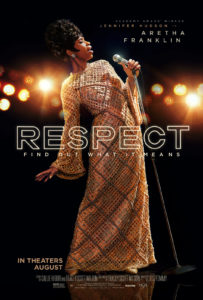 They say good things come to those who wait. The MGM Aretha Franklin biopic, RESPECT, has certainly done its fair share of waiting.



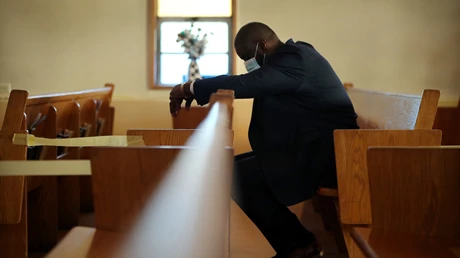
 If you’re not familiar with the practice of prayer and why people pray, it’s very easy to look at it as though somebody is making a definitive statement or doing something over which they would claim to have full control. The twist with prayer is that you can be saying things that sound very active and assertive about what you want to happen in the world and also at the same moment you are relinquishing control. You’re saying, “I am surrendering this concern.”
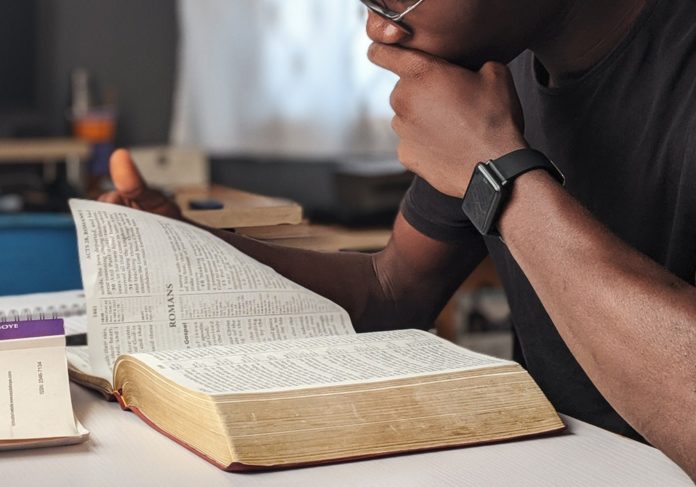
 The third critical teaching of the first statement, “I am the Lord your God who took you out of Egypt, out of the house of bondage” is the importance and the meaning of freedom!
 Monster tells the story of Steve Harmon (Kelvin Harrison, Jr.) a seventeen-year-old honor student whose world comes crashing down around him when he is charged with felony murder. The film follows his dramatic journey from a smart, likable film student from Harlem attending an elite high school through a complex legal battle that could leave him spending the rest of his life in prison.
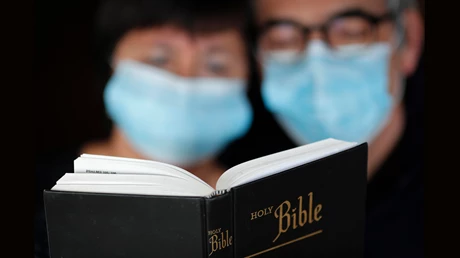
 Martin and the American Bible Society want to meet that need with trauma-informed Bible reading, teaching people about healing from trauma using Scripture.